
Fire Safety Features in Portable Cabins
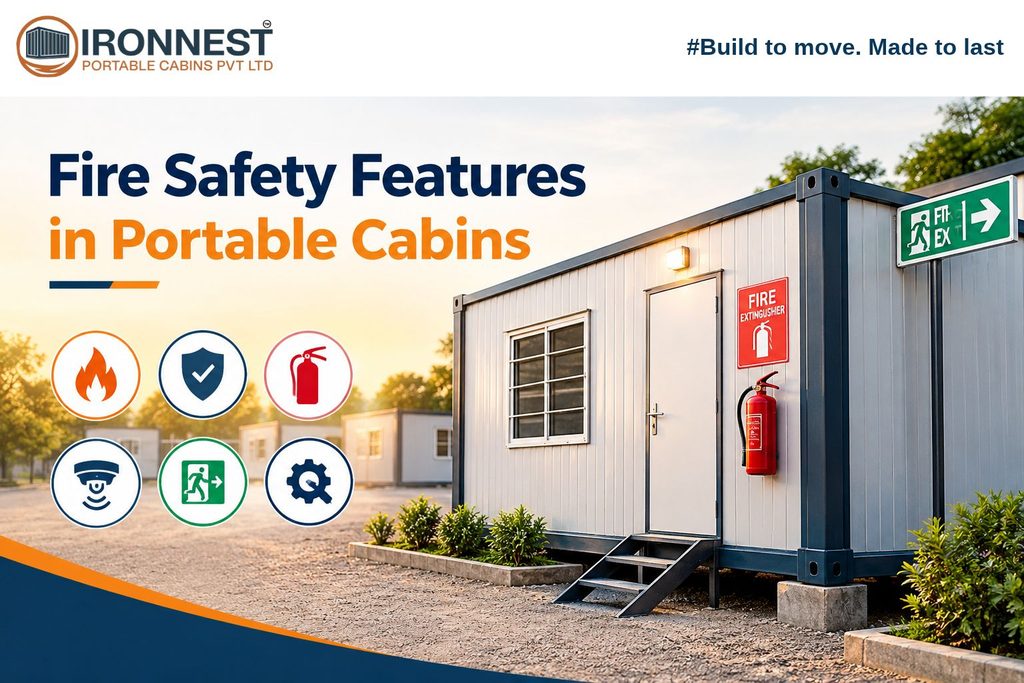
Portable cabins are increasingly used for offices, site accommodation, security rooms, staff housing, classrooms, and utility spaces. Since these structures are often installed at construction sites, industrial locations, commercial properties, and remote areas, fire safety is an important consideration when selecting a portable cabin.
A well-designed portable cabin should not only provide comfort and functionality but should also incorporate appropriate fire-safety measures based on its purpose, location, materials, and applicable safety requirements.
1. Fire-Resistant Building Materials
The materials used in a portable cabin play an important role in fire safety. Depending on the cabin design and application, suitable fire-resistant or low-flammability materials can be selected for walls, ceilings, partitions, insulation, and other components.
Choosing appropriate materials can help reduce the spread of fire and provide occupants with additional time to respond during an emergency.
2. Safe Electrical Installation
Electrical faults are one of the potential causes of fires in temporary and portable structures. Proper electrical installation is therefore essential.
Portable cabins should have appropriately designed wiring, electrical panels, switches, sockets, circuit protection, and earthing. Electrical systems should be installed and maintained by qualified professionals and inspected regularly.
3. Fire Extinguishers
Providing suitable fire extinguishers at accessible locations is an important basic safety measure.
The type and number of extinguishers should be selected according to the cabin’s usage and the potential fire risks present inside the space. Users should also know how to operate them safely.
4. Smoke and Fire Detection
Smoke detectors and suitable fire-alarm systems can help identify a fire at an early stage. Early detection is particularly important in staff accommodation, offices, and cabins used at sites where people may be working or staying for extended periods.
Depending on the application, additional detection and alarm equipment may be considered.
5. Proper Ventilation
Adequate ventilation contributes to a safer and more comfortable indoor environment. Cabin design should provide suitable ventilation while ensuring that openings, ducts, and other installations do not compromise the overall fire-safety design.
For specialized applications, ventilation requirements should be assessed by the relevant professionals.
6. Emergency Exit and Door Access
Easy access to doors and emergency exits is essential during a fire. Portable cabins should be planned so that occupants can leave the space quickly and safely.
Doors should remain accessible and should not be blocked by furniture, equipment, stored materials, or other obstacles.
7. Fire-Safe Interior Planning
The arrangement of furniture, electrical equipment, storage areas, and other items can influence fire risk. Combustible materials should be stored appropriately and kept away from potential ignition sources.
A well-organized cabin can also make evacuation easier during an emergency.
8. Regular Inspection and Maintenance
Fire safety does not end after the cabin is installed. Regular inspections can help identify damaged electrical wiring, overloaded sockets, faulty equipment, blocked exits, or other potential hazards.
Fire extinguishers, smoke detectors, electrical systems, and emergency access points should be checked periodically.
9. Safety Based on Cabin Usage
Different portable cabins can have different fire-safety requirements. An office cabin, for example, may have different risks compared with a kitchen, accommodation cabin, security cabin, or industrial utility cabin.
Therefore, fire-safety planning should consider the cabin’s purpose, number of occupants, equipment used, electrical load, surrounding environment, and applicable local regulations.
Choosing a Fire-Safety-Conscious Portable Cabin
When investing in a portable cabin, it is important to look beyond appearance and basic functionality. Buyers should discuss materials, insulation, electrical systems, fire-safety equipment, emergency access, and applicable safety standards with the manufacturer before finalizing the cabin.
At IronNest Portable Cabins, portable structures can be designed for different applications, including office spaces, accommodation, security cabins, utility spaces, and other project requirements.
Conclusion
Fire safety is an essential part of responsible portable cabin planning. From suitable construction materials and safe electrical systems to fire detection, extinguishers, emergency access, and regular maintenance, every element can contribute to a safer working or living environment.
A portable cabin should be built not just for mobility and convenience, but also with safety and the intended application in mind.
